Designing the Perfect Senior Living Space Comfort Meets Functionality
Designing a senior living space requires a thoughtful approach to merge comfort with functionality effectively. Creating an environment that supports independence while ensuring safety and convenience is paramount. Here are some key factors to consider when designing the perfect senior living space.
Prioritize Accessibility
One of the most critical aspects of designing for seniors is ensuring the space is fully accessible. This includes wider doorways for wheelchair access, no step entries, and easy access to everyday essentials. Additionally, consider the placement of furniture and other items to ensure there is plenty of room to move around comfortably.
Enhance Lighting
Proper lighting is vital not only for visibility but also to help reduce the risk of falls. Opt for bright, non-glare lighting solutions and make sure that all areas, especially walkways and staircases, are well-lit. Nightlights in hallways and bathrooms can tremendously aid in preventing accidents during nighttime.
Choose Furniture Wisely
When selecting furniture for a senior living space, consider both comfort and functionality. Chairs and sofas should be firm and high enough to support easy sitting and standing. Rounded corners are preferable to minimize the risk of injury, and tables should be sturdy and easily reachable from seating areas.
Install Safety Features
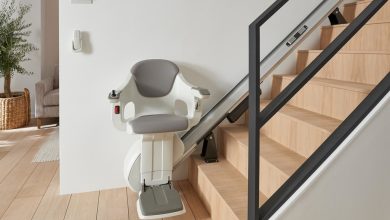
Safety features are a must in any senior living space. Rails and grab bars in the bathroom, along a staircase, and corridors can provide necessary support. Non-slip flooring or well-situated rugs can also help prevent slips and falls. Additionally, consider installing emergency response systems that can be easily accessed in case of accidents.
Foster Social Interactions
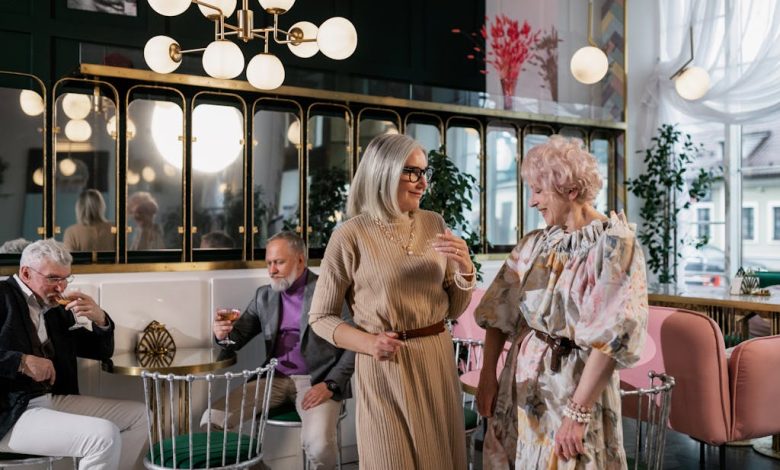
A well-design space should encourage and facilitate social interaction. Areas designated for social activities should be comfortable, inviting, and easily accessible. This could include a common room or a shared outdoor space that encourages mingling and social activities among residents.
Optimize for Ease of Maintenance
Maintenance can become a challenge with age, so it’s beneficial to design spaces that require minimal upkeep. Choose durable materials and surfaces that are easy to clean and maintain. Furthermore, integrating smart technology that allows for remote control of appliances, heating, and cooling systems can enhance livability.
Personal Touches
Making a living space feel like home is essential for comfort and emotional wellbeing. Allow opportunities for seniors to personalize their space with their belongings and decorations that make the space feel welcoming and familiar.
Consideration for Health and Wellness
Lastly, incorporate elements that promote health and wellness. This can include space for physical activities, access to outdoor spaces, and areas that receive ample natural light, which is essential for both physical and mental health.
Designing a senior living space is a delicate balance between welfare and autonomy. By focusing on accessibility, safety, and comfort, while fostering social interaction and independence, a senior living space can genuinely become a supportive, functional, and comfortable home for its inhabitants.